 Thai
ThaiProblem Statement
The Highland Context
Understanding Thailand's Highlands
Thailand's highlands are among the country's most valuable natural and cultural landscapes. Stretching across mountainous regions in the north and parts of western Thailand, these areas are home to diverse ecosystems, rich biodiversity, and culturally diverse communities. They also serve as the source of many of Thailand's major river systems, making them essential to national water security, food production, and ecological sustainability.
Defined as areas located at elevations above 500 metres above mean sea level, Thailand's highlands cover approximately 54.97 million rai (8.8 million hectares) across 20 provinces. Within these areas are more than 4,200 highland communities, home to approximately 1.07 million people representing at least 15 ethnic groups, each with distinct languages, cultures, and traditional knowledge.
For generations, these communities have developed unique ways of living in harmony with mountainous environments. Their cultural heritage and local wisdom remain valuable assets for sustainable development and natural resource management.
Why the Highlands Matter
The importance of Thailand's highlands extends far beyond the communities who live there.
The region contains critical watershed forests that supply water to agricultural areas, industries, and urban centres throughout the country. Its forests help regulate climate, conserve biodiversity, prevent soil erosion, and support ecosystem services that benefit millions of people downstream.
The highlands are also important centres of agricultural production, supplying high-value temperate crops, coffee, tea, fruits, vegetables, medicinal plants, and other agricultural products that contribute to local livelihoods and the national economy.
Protecting the health and resilience of Thailand's highlands is therefore essential not only for highland communities but also for the country's long-term environmental, economic, and social sustainability.
Challenges Facing Thailand's Highlands
Despite their significance, Thailand's highlands face increasingly complex and interconnected challenges.
Environmental Challenges
Unsustainable land use, forest degradation, soil erosion, biodiversity loss, and pressure on watershed ecosystems continue to threaten the ecological balance of highland landscapes. These environmental changes reduce ecosystem resilience and affect both upstream and downstream communities.
Climate Change
Changing rainfall patterns, rising temperatures, extreme weather events, and increasing climate uncertainty are affecting agricultural productivity, water availability, and ecosystem health. Highland communities are among those most vulnerable to climate-related risks.
Livelihoods and Rural Transformation
Many farming households continue to face economic uncertainty arising from fluctuating agricultural markets, changing labour patterns, and limited livelihood opportunities. At the same time, ageing populations and the migration of younger generations to urban areas are reshaping the social fabric of many highland communities.
Natural Resource Governance
Balancing livelihood needs with the conservation of forests, watersheds, and biodiversity requires effective collaboration among communities, government agencies, and other stakeholders. Sustainable management of natural resources has become increasingly important as competing demands for land and water continue to grow.
Preserving Cultural Diversity
Thailand's highlands are home to communities with diverse cultures, languages, and traditional knowledge systems. Rapid socio-economic change presents new challenges in safeguarding cultural heritage while enabling communities to benefit from modern development opportunities.
A Changing Development Landscape
The challenges facing Thailand's highlands have evolved significantly over the past five decades.
While earlier development efforts focused primarily on addressing poverty, improving livelihoods, and promoting sustainable alternatives to environmentally destructive practices, today's priorities have expanded to include climate resilience, biodiversity conservation, food security, sustainable value chains, digital transformation, and inclusive development.
These emerging challenges require integrated, evidence-based solutions that combine scientific research, innovation, local knowledge, and strong partnerships.
HRDI's Response
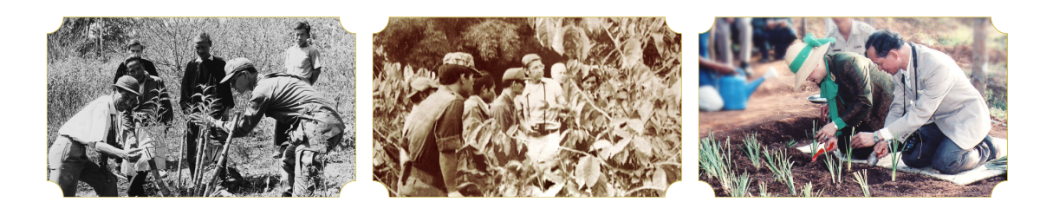
Building upon the Royal Project Model, the Highland Research and Development Institute (Public Organization) (HRDI) works with communities and partners to transform research into practical solutions for sustainable highland development.
HRDI integrates research, innovation, knowledge management, community participation, and policy support to strengthen livelihoods, conserve natural resources, and enhance the resilience of both communities and ecosystems.
Guided by the Sufficiency Economy Philosophy, HRDI's development approach reflects the enduring principles of the Royal Project Model and is closely aligned with internationally recognised frameworks, including the United Nations Sustainable Development Goals (SDGs) and the United Nations Guiding Principles on Alternative Development (UNGPAD). Through collaboration at local, national, and international levels, the Institute contributes to sustainable mountain development while responding to the evolving needs of Thailand's highlands.
Thailand's Highlands at a Glance
| Indicator | Overview |
|---|---|
| Highland area | 54.97 million rai (8.8 million hectares) |
| Coverage | 20 provinces |
| Highland communities | More than 4,200 villages |
| Population | Approximately 1.07 million people |
| Ethnic groups | At least 15 groups |
| Average elevation | Above 500 metres above mean sea level |
| Strategic importance | Watershed forests, biodiversity, agriculture, ecosystem services, and cultural diversity |
Looking Ahead
The future of Thailand's highlands depends on balancing environmental conservation with inclusive economic development and social well-being.
HRDI remains committed to advancing research, innovation, partnerships, and knowledge-based solutions that empower communities, strengthen ecosystem resilience, and ensure that the highlands continue to provide lasting benefits for both present and future generations.